
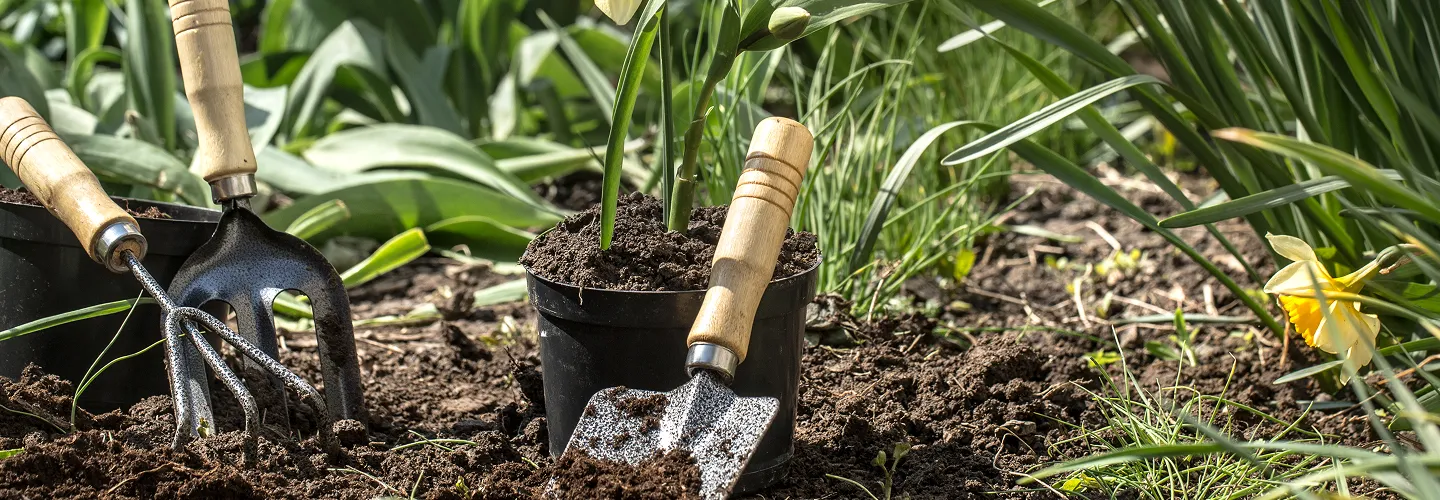
Mashpee Flower Bed Maintenance Services
Choose our Flower Bed Maintenance for expert care, vibrant blooms, and a weed-free garden—so you can enjoy a beautiful, healthy landscape without the hassle.
Get a Free QuoteOur Mashpee Landscaping & Yard Care Services
When to Schedule Flower Bed Maintenance in Mashpee, Massachusetts – Seasonal Guide
In Mashpee, Massachusetts, the timing of flower bed maintenance is closely tied to our unique Cape Cod climate and the specific needs of local landscapes. Early spring, just after the last frost—typically in late April—is ideal for cleaning beds, dividing perennials, and preparing soil. This ensures plants are ready to thrive as temperatures rise and daylight increases. Fall maintenance, usually from late September through October, is equally important for removing spent annuals, mulching, and protecting roots before winter sets in.
Local factors such as the sandy soils near South Cape Beach, the shade from mature oaks in New Seabury, and the higher humidity levels along the Mashpee River all play a role in determining the best maintenance schedule. Homeowners should also consider the risk of late frosts, summer droughts, and municipal guidelines, which can be found on the Town of Sudbury’s website, when planning their flower bed care.
Benefits of Flower Bed Maintenance in Mashpee
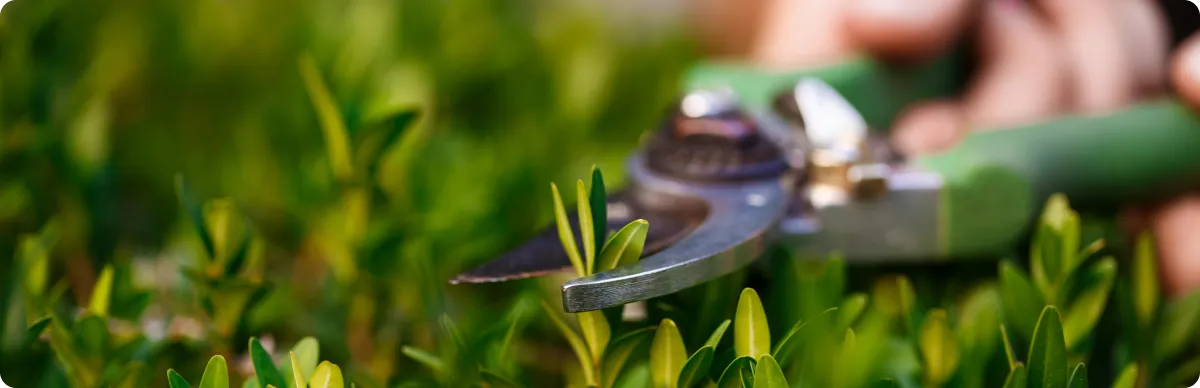
Enhanced Curb Appeal
Weed and Pest Prevention
Healthier Plant Growth
Seasonal Color Variety
Professional Expertise
Time and Effort Savings
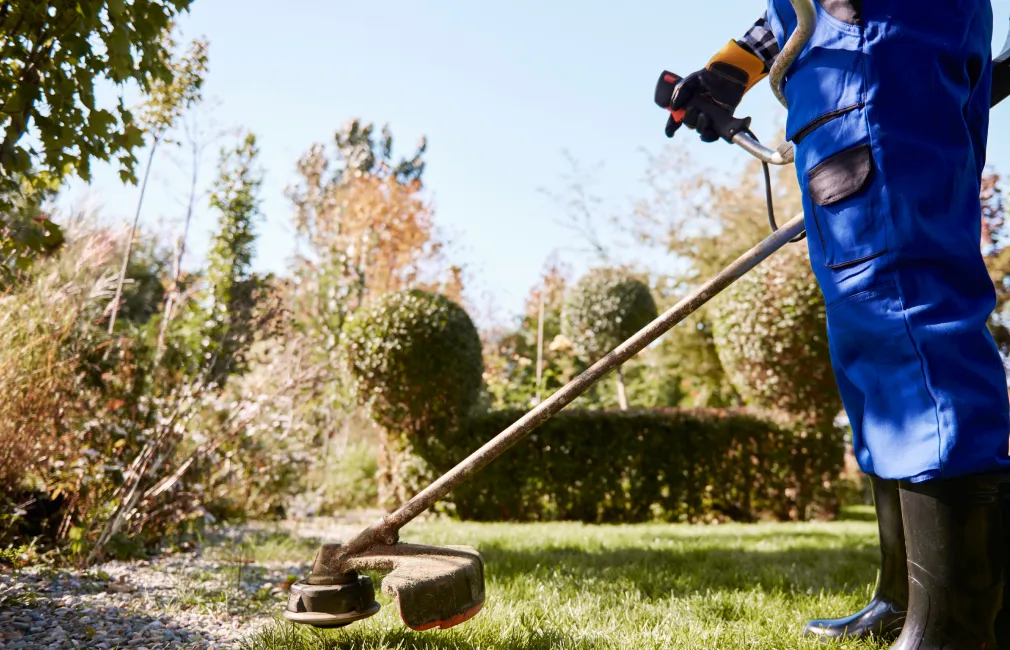
Mashpee Flower Bed Maintenance Types

Seasonal Mulching
-
Weed Control
-
Soil Amendment
-
Edging and Trimming
-
Deadheading and Pruning
-
Fertilization
-
Pest and Disease Management
Our Flower Bed Maintenance Process
Site Evaluation
Weed Removal
Soil Preparation
Plant Care
Mulching
Why Choose Mashpee Landscape Services
-
Mashpee Homeowners Trust Us
-
Expert Lawn Maintenance
-
Reliable Seasonal Cleanups
-
Competitive Pricing
-
Professional Team
-
Satisfaction Guarantee
-
Personalized Service
Mashpee’s Coastal Sandy Soils and Flower Bed Drainage Requirements
Mashpee’s flower bed maintenance is shaped by its predominant coastal sandy soils, as identified by the USDA Web Soil Survey. These soils, including the Carver and Plymouth series, are excessively drained, low in organic matter, and typically acidic (pH 5.0-6.0). Proper maintenance requires:
- Incorporating 2-3 inches of compost to a 6-inch depth for moisture retention
- Annual soil testing through UMass Extension (15-25 cost)
- Lime application if pH falls below 6.0
- Mulching to reduce evaporation and suppress weeds
Drainage is rarely a problem, but irrigation scheduling is critical due to rapid water loss. For technical guidance, consult the local office of the National Weather Service for rainfall data and seasonal trends. Coordination with Mashpee’s Department of Public Works is recommended for large-scale soil amendments.
Mashpee Department of Public Works
350 Meetinghouse Road, Mashpee, MA 02649
Phone: (508) 539-1420
Official Website: Mashpee Department of Public Works
Seasonal Flower Bed Maintenance Timing for Mashpee’s Cape Cod Climate
Mashpee’s USDA Hardiness Zone 7a-7b and maritime climate require precise timing for flower bed tasks. Spring planting is optimal from April 15 to May 30, when soil temperatures reach 50-60°F. Fall clean-up and perennial division should occur September 15 to October 31, before the first frost (typically late October). Key timing guidelines include:
- Mulch renewal: Early May
- Fertilization: Early May and late September
- Deadheading: June through September
- Avoid major soil disturbance June-August (drought risk) Monitor local forecasts via the National Weather Service for frost dates and rainfall. For plant selection and timing, refer to UMass Extension for Cape Cod-specific recommendations. Adhering to these windows ensures plant establishment and reduces water stress.
Municipal Yard Waste Collection and Debris Disposal Protocols in Mashpee
Proper disposal of flower bed debris in Mashpee is governed by municipal collection schedules and state environmental regulations. Yard waste is collected curbside every Thursday from April through November. Accepted materials include leaves, grass clippings, and brush under 4 feet in length, placed in biodegradable bags or 32-gallon reusable bins. Prohibited items:
- Plastic bags
- Branches over 4 inches in diameter
- Soil or rocks
Violations may result in fines per Mashpee’s municipal code. All debris must be set out by 7:00 AM on collection day. For large volumes, residents may use the Mashpee Transfer Station (open Tuesday-Saturday, 8:00 AM-3:30 PM). Compliance with Massachusetts Environmental Policy Act (MEPA) and Clean Water Act is required to prevent stormwater contamination. For program details:
Mashpee Department of Public Works
350 Meetinghouse Road, Mashpee, MA 02649
Phone: (508) 539-1420
Official Website: Mashpee Department of Public Works
Environmental Compliance: Wetland Buffers and Stormwater Protection in Mashpee
Mashpee’s extensive wetlands and proximity to Popponesset Bay require strict adherence to buffer and stormwater regulations during flower bed maintenance. The Mashpee Wetlands Bylaw mandates a 25-foot no-disturbance buffer from all wetlands, with a 50-foot setback for fertilizer or pesticide application. Key compliance steps:
- No soil disturbance or planting within 25 feet of wetlands
- Maintain vegetative buffers along streams and ponds
- Prohibit fertilizer use within 50 feet of water bodies
- Prevent clippings and mulch from entering storm drains (MS4 permit requirement)
Violations are subject to enforcement by the Conservation Commission and Massachusetts Department of Environmental Protection. For technical support, consult EPA Region 1 and UMass Extension for best management practices. Always verify site-specific buffer requirements before initiating work.
Mashpee Conservation Commission
16 Great Neck Road North, Mashpee, MA 02649
Phone: (508) 539-1400
Official Website: Mashpee Conservation Commission
Massachusetts Department of Environmental Protection
Boston, MA
Official Website: Massachusetts Department of Environmental Protection
Plant Selection for Mashpee Flower Beds: Native and Salt-Tolerant Species
Selecting appropriate species for Mashpee’s flower beds is essential due to coastal exposure, sandy soils, and deer pressure. Recommended species include:
- Full sun: Black-eyed Susan (Rudbeckia hirta), coneflower (Echinacea purpurea), daylily (Hemerocallis spp.)
- Partial shade: Coral bells (Heuchera spp.), astilbe (Astilbe spp.), hosta (Hosta spp.)
- Deer resistant: Lavender (Lavandula angustifolia), Russian sage (Perovskia atriplicifolia), salvia (Salvia nemorosa)
- Native options: Wild bergamot (Monarda fistulosa), Joe Pye weed (Eutrochium purpureum), cardinal flower (Lobelia cardinalis) Salt-tolerant varieties are critical for beds near roadways or coastal areas. Plant spacing should be 12-18 inches for perennials and 18-24 inches for shrubs. For detailed plant lists and diagnostic support, consult UMass Extension. Always verify species suitability for Zone 7a-7b using the USDA Plant Hardiness Zone Map.
What Neighborhoods Do We Serve Throughout Mashpee, MA?
- New Seabury: Features sandy soils and salt spray exposure, requiring salt-tolerant and drought-resistant plantings. Many properties border conservation lands, necessitating strict buffer compliance.
- Mashpee Neck: Proximity to Popponesset Bay and tidal wetlands means flower beds must observe 25-foot wetland buffers and use native species to protect water quality.
- Quashnet Valley: Characterized by mature landscaping and larger lots, with well-drained soils but occasional compaction from development. HOA guidelines may affect plant selection and maintenance timing.
- Santuit: Historic area with mixed soil types and older homes. Narrow streets and overhead utilities require careful equipment access and adherence to noise ordinances.
- Johns Pond Estates: Near freshwater resources, this neighborhood faces high deer pressure and must avoid fertilizer use within 50 feet of water bodies.
- South Cape Beach Area: Adjacent to protected dunes and state parkland, requiring native, low-maintenance species and compliance with conservation regulations.
- Ockway Bay: Floodplain location with periodic high water table; flower beds must be elevated and use species tolerant of occasional wet conditions.