
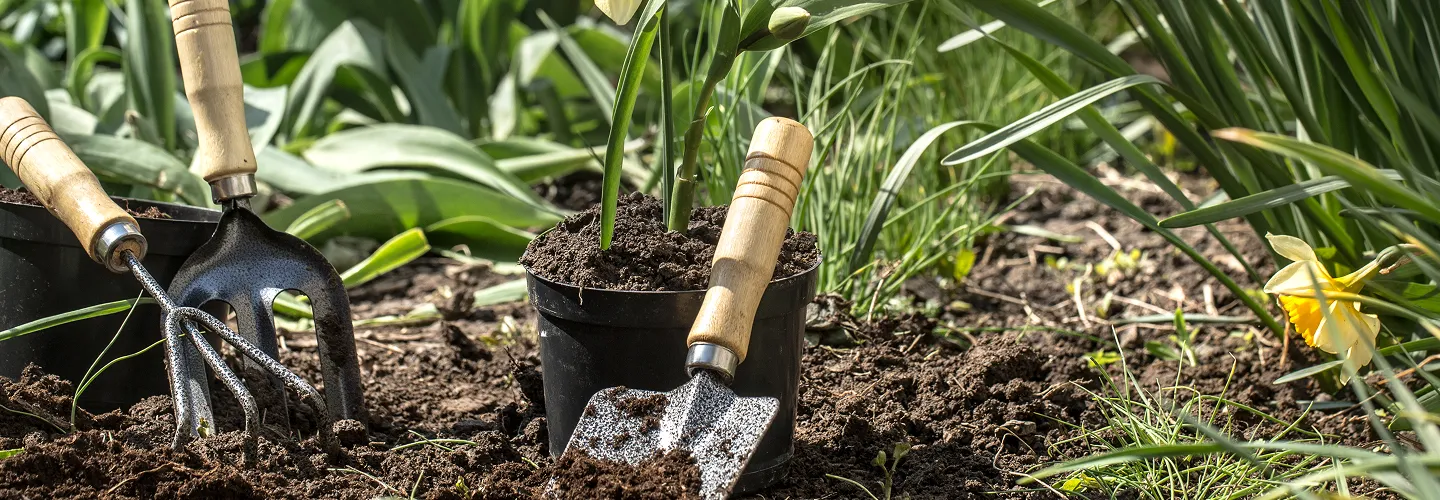
Mashpee Plant Removal Services
Choose our plant removal services for prompt, professional results that restore your landscape’s beauty and health—no mess, no stress, just a clean slate for your next project.
Get a Free QuoteOur Mashpee Landscaping & Yard Care Services
When to Schedule Plant Removal in Mashpee, Massachusetts – Seasonal Guide
In Mashpee, Massachusetts, timing your plant removal is crucial for both the health of your landscape and compliance with local guidelines. The optimal periods for plant removal typically fall in late spring after the last frost, or in early fall before the first hard freeze. Mashpee’s coastal climate, with its humid summers and cold, sometimes unpredictable winters, means that soil conditions and plant dormancy cycles can vary between neighborhoods like New Seabury and Popponesset. It’s important to consider the unique microclimates created by proximity to Nantucket Sound, as well as the shade coverage from mature trees in areas such as Mashpee Commons.
Local environmental factors play a significant role in determining the best time for plant removal. For example, sandy soils near South Cape Beach drain quickly, making early fall ideal for root extraction, while denser soils in shaded lots may require waiting until drier weather. Additionally, Mashpee’s municipal guidelines and conservation efforts—outlined on the Town of Sudbury’s website—may affect when and how removal can be performed, especially near protected wetlands or conservation areas.
Local Factors to Consider for Plant Removal in Mashpee
- Tree density and canopy coverage, especially in wooded neighborhoods
- Terrain and soil type (sandy near the coast, loamy inland)
- Seasonal precipitation and risk of drought
- Frost dates and plant dormancy periods
- Municipal restrictions and conservation area proximity
- Accessibility for equipment in densely landscaped yards
Benefits of Plant Removal in Mashpee
Expert Landscaping Services
Efficient Plant Removal
Eco-Friendly Disposal Methods
Improved Curb Appeal
Customized Solutions
Licensed and Insured Team
Mashpee Plant Removal Types

Tree Removal
-
Shrub Removal
-
Stump Grinding
-
Invasive Species Removal
-
Hedge Removal
-
Root System Extraction
-
Overgrown Vegetation Clearing
Our Plant Removal Process
Site Evaluation
Preparation and Safety Measures
Plant Extraction
Debris Removal
Site Restoration
Why Choose Mashpee Landscape Services
-
Mashpee Homeowners Trust Us
-
Expert Lawn Maintenance
-
Reliable Seasonal Cleanups
-
Competitive Pricing
-
Professional Team
-
Satisfaction Guarantee
-
Personalized Service
Plant Removal and Debris Disposal Coordination with Mashpee’s Department of Public Works
Plant removal in Mashpee requires strict adherence to municipal debris management protocols. The Department of Public Works oversees weekly yard waste collection every Thursday from April through November. Residents must use biodegradable paper bags or reusable bins (32-gallon maximum) for plant debris; plastic bags and branches over 4 inches in diameter are prohibited. All plant material must be placed curbside by 7:00 AM on collection day. For large-scale removals, a permit is required for curbside pickup of brush piles exceeding 4 feet in length or 3 feet in height, with a $25 application fee and a 5-business-day review period. Proper separation of invasive species is mandated to prevent spread during disposal. Coordination with the department ensures compliance with Mashpee’s solid waste ordinance and prevents illegal dumping.
Mashpee Department of Public Works
350 Meetinghouse Road, Mashpee, MA 02649
Phone: (508) 539-1420
Official Website: Mashpee Department of Public Works
Wetland and Waterbody Protections in Mashpee Plant Removal Projects
Mashpee’s proximity to extensive wetlands, ponds, and the Mashpee River means plant removal activities are subject to strict buffer and permitting requirements. The Mashpee Conservation Commission enforces a 25-foot no-disturbance buffer from all wetlands and a 50-foot setback from vernal pools and protected waterbodies. Removal of any vegetation within these zones requires a Notice of Intent and approval under the Massachusetts Wetlands Protection Act. Fines for unauthorized disturbance can reach $300 per day. All debris must be contained to prevent runoff into storm drains, in accordance with the town’s MS4 permit and the Clean Water Act. For projects near sensitive areas, silt fencing and erosion controls are mandatory. The Conservation Commission provides site-specific guidance and permit application support.
Mashpee Conservation Commission
16 Great Neck Road North, Mashpee, MA 02649
Phone: (508) 539-1400
Official Website: Mashpee Conservation Commission
Soil Series and Site Conditions Affecting Plant Removal in Mashpee
Mashpee’s soils are predominantly Carver coarse sand and Plymouth loamy sand, as identified by the USDA Web Soil Survey. These soils are excessively drained, acidic (pH 4.5-5.5), and low in organic matter, which influences both plant establishment and removal techniques. Shallow root systems are common, but compaction can occur in developed areas, requiring mechanical extraction for larger shrubs and trees. For effective removal:
- Use root-cutting tools for deep-rooted species
- Apply water to loosen sandy soils before extraction
- Amend disturbed areas with 2-3 inches of compost tilled to 6-inch depth
- Test soil pH and apply lime if below 6.0
Soil testing is available through UMass Extension for $15-25 per sample. Restoration of disturbed sites should include native species adapted to sandy, acidic conditions.
UMass Extension
UMass Amherst, 100 Holdsworth Way, Amherst, MA 01003
Phone: (413) 545-4800
Official Website: UMass Extension
Equipment Operation Hours and Safety Standards for Plant Removal in Mashpee
Operation of plant removal equipment in Mashpee is regulated by the town’s noise ordinance. Permitted hours are:
- Monday-Friday: 7:00 AM - 7:00 PM
- Saturday: 8:00 AM - 6:00 PM
- Sunday and holidays: Prohibited All commercial operators must use equipment with functioning mufflers, and noise levels must not exceed 85 decibels at property lines. Safety protocols require:
- Eye protection: ANSI Z87.1 safety glasses
- Hearing protection: Earmuffs or plugs for 85+ dB
- Footwear: Steel-toed, non-slip boots
- Gloves: Cut-resistant for pruning, chemical-resistant for herbicide use
Maintain a 15-foot clearance from overhead utilities and contact Dig Safe (811) at least 72 hours before any ground disturbance. The Department of Public Works provides additional safety guidance for projects near public rights-of-way.
Mashpee Department of Public Works
350 Meetinghouse Road, Mashpee, MA 02649
Phone: (508) 539-1420
Official Website: Mashpee Department of Public Works
State and Federal Environmental Compliance for Plant Removal in Mashpee
Plant removal in Mashpee must comply with both state and federal environmental regulations. The Massachusetts Environmental Policy Act (MEPA) requires environmental review for projects impacting more than 5,000 square feet of land or within 100 feet of wetlands. The Massachusetts Department of Environmental Protection enforces MS4 stormwater permit requirements, prohibiting discharge of plant debris or soil into storm drains. Federal oversight is provided by EPA Region 1, which monitors compliance with the Clean Water Act. Best practices include:
- Maintain 25-foot buffer from wetlands
- Use silt fencing for erosion control
- Schedule removals outside of heavy rain events (check National Weather Service for local forecasts)
- Document all disposal and restoration activities
Non-compliance can result in fines and project delays.
Massachusetts Department of Environmental Protection
One Winter Street, Boston, MA 02108
Phone: (617) 292-5500
Official Website: Massachusetts Department of Environmental Protection
EPA Region 1
5 Post Office Square, Boston, MA 02109
Phone: (617) 918-1111
Official Website: EPA Region 1
What Neighborhoods Do We Serve Throughout Mashpee, MA?
- New Seabury: Features sandy soils and proximity to coastal wetlands, requiring strict buffer compliance and careful debris containment to protect sensitive habitats.
- Mashpee Neck: Characterized by mature woodlands and smaller lots, with frequent wetland boundaries and narrow access roads affecting equipment use and permitting.
- Quashnet Valley: Includes golf course-adjacent properties with well-drained soils but high groundwater, necessitating erosion controls and adherence to stormwater regulations.
- Johns Pond Estates: Located near major water bodies, this area faces seasonal flooding and requires careful scheduling of plant removal to avoid wet periods and protect water quality.
- South Cape Beach Area: Adjacent to conservation lands and state park boundaries, plant removal here is subject to additional oversight and restoration requirements.
- Santuit: Contains a mix of historic homes and newer developments, with variable soil compaction and frequent Conservation Commission review for removal projects.
- Ockway Bay: Waterfront properties with salt exposure and high wind, requiring selection of salt-tolerant native species for site restoration after removal.