
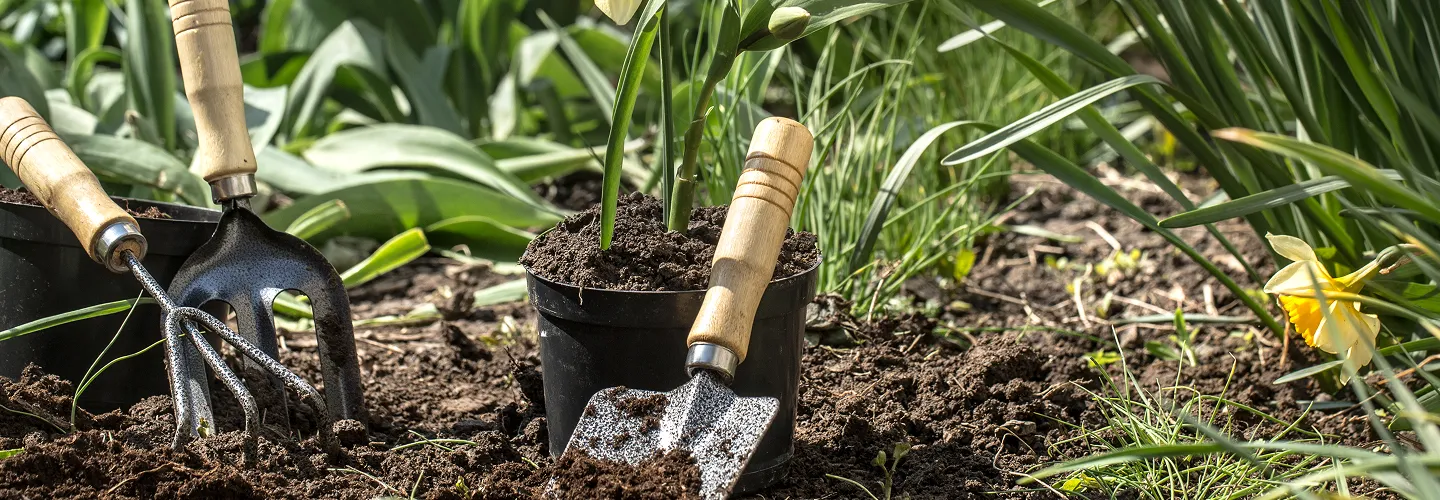
Mashpee Flower Planting Services
Choose our flower planting services for vibrant, healthy blooms that enhance your curb appeal and bring lasting beauty to your outdoor spaces—crafted by local experts who care about your garden’s success.
Get a Free QuoteOur Mashpee Landscaping & Yard Care Services
When to Schedule Flower Planting in Mashpee, Massachusetts – Seasonal Guide
Flower planting in Mashpee, Massachusetts, is best scheduled with careful attention to the region’s unique climate and landscape. The optimal planting windows typically fall in late spring, after the last frost—usually around mid-May—and again in early fall, when cooler temperatures and increased rainfall help new plantings establish strong roots. Mashpee’s proximity to the coast, neighborhoods like New Seabury, and landmarks such as Mashpee Commons all experience microclimates that can influence planting success. For example, areas closer to the Mashpee River may have higher humidity and richer soils, while inland spots like Quashnet Valley might face more drought risk and sandy terrain.
Local environmental factors play a significant role in determining the best time for flower planting. It’s important to consider the average frost dates, which can vary slightly between neighborhoods, as well as the risk of late spring cold snaps or summer droughts. Shade coverage from mature trees in areas like South Mashpee, soil composition, and even municipal watering restrictions can all impact your planting schedule. For more detailed local climate data and gardening resources, visit the Town of Sudbury’s official site.
Local Factors to Consider for Flower Planting in Mashpee
- Proximity to the coast and its effect on humidity and temperature
- Tree density and shade coverage in your neighborhood
- Soil type (sandy, loamy, or clay) and drainage
- Average frost dates and risk of late cold snaps
- Precipitation patterns and drought risk
- Terrain and elevation differences across Mashpee
- Municipal watering restrictions or guidelines
Benefits of Flower Planting in Mashpee
Expert Local Knowledge
Customized Landscape Designs
Seasonal Plant Selection
Enhanced Curb Appeal
Eco-Friendly Practices
Reliable Maintenance Services
Mashpee Flower Planting Types

Perennial Flower Beds
-
Annual Flower Displays
-
Native Wildflower Gardens
-
Pollinator-Friendly Plantings
-
Shade Garden Flowers
-
Seasonal Bulb Plantings
-
Container Flower Arrangements
Our Flower Planting Process
Site Evaluation
Soil Preparation
Plant Selection
Careful Planting
Watering and Mulching
Why Choose Mashpee Landscape Services
-
Mashpee Homeowners Trust Us
-
Expert Lawn Maintenance
-
Reliable Seasonal Cleanups
-
Competitive Pricing
-
Professional Team
-
Satisfaction Guarantee
-
Personalized Service
Mashpee’s Coastal Sandy Soils and Flower Bed Preparation Requirements
Mashpee’s predominant soils, as identified by the USDA Web Soil Survey, are Carver coarse sand and Plymouth loamy sand, both of which are excessively drained and acidic (pH 5.0-6.0). These conditions require specific preparation for successful flower planting, including the incorporation of 2-3 inches of compost tilled to a 6-inch depth and lime application if pH is below 6.0. Soil testing is recommended through UMass Extension (typical cost: $15-25). For properties near wetlands, a 25-foot no-disturbance buffer is mandated. Mulching with 2-3 inches of organic material helps retain moisture in sandy soils.
Mashpee Department of Public Works
350 Meetinghouse Road, Mashpee, MA 02649
Phone: (508) 539-1420
Official Website: Mashpee Department of Public Works
provides guidance on soil amendments and buffer requirements.
Seasonal Flower Planting Windows and Climate Considerations in Mashpee
Mashpee is located in USDA Hardiness Zone 7a-7b, with average last frost dates between April 20 and May 10 and first frost typically in late October. Optimal planting windows for annuals and perennials are April 25 - June 1 (spring) and September 1 - October 10 (fall). Avoid planting during July-August due to heat and drought stress. Monitor local weather through the National Weather Service – Boston/Norton Office. For best results:
- Spring planting: Soil temperature 50-65°F
- Fall planting: Complete by October 10
- Water new plantings 1 inch per week
- Mulch to conserve moisture and moderate soil temperature Consult UMass Extension for region-specific timing and plant selection advice.
Municipal Coordination for Flower Planting Debris and Yard Waste in Mashpee
Proper disposal of planting debris is regulated by Mashpee’s weekly yard waste collection, held every Thursday from April through November. Accepted materials include leaves, grass clippings, and brush under 4 feet in length, placed in biodegradable bags or 32-gallon reusable bins. Plastic bags and branches over 4 inches in diameter are prohibited. Residents must not place debris in storm drains, as required by the Clean Water Act and Mashpee’s MS4 permit. For large projects, coordinate with the Department of Public Works for bulk pickup or drop-off at the transfer station.
Mashpee Department of Public Works
350 Meetinghouse Road, Mashpee, MA 02649
Phone: (508) 539-1420
Official Website: Mashpee Department of Public Works
Environmental Compliance: Wetland Buffers and Stormwater Protection in Mashpee
Flower planting near Mashpee’s extensive wetlands, including areas adjacent to the Mashpee River and Santuit Pond, is subject to strict buffer requirements. The Massachusetts Environmental Policy Act (MEPA) and local conservation bylaws require a 25-foot no-disturbance zone and a 50-foot setback for fertilizer or pesticide application. All plantings must avoid direct runoff into storm drains or water bodies, in compliance with the Massachusetts Department of Environmental Protection MS4 program. Use only slow-release, phosphorus-free fertilizers and avoid any application within 50 feet of wetlands. For guidance on buffer delineation and compliance:
Mashpee Conservation Commission
16 Great Neck Road North, Mashpee, MA 02649
Phone: (508) 539-1400
Official Website: Mashpee Conservation Commission
Selecting Native and Salt-Tolerant Flower Species for Mashpee’s Coastal Environment
Mashpee’s proximity to Nantucket Sound and Waquoit Bay exposes many sites to salt spray and wind, making plant selection critical. Recommended species for full sun include black-eyed Susan (Rudbeckia hirta), seaside goldenrod (Solidago sempervirens), and New England aster (Symphyotrichum novae-angliae). For partial shade, consider wild columbine (Aquilegia canadensis) and foamflower (Tiarella cordifolia). Deer-resistant options include lavender (Lavandula angustifolia) and Russian sage (Perovskia atriplicifolia). Space perennials 18-24 inches apart for optimal growth. Consult the USDA Plant Hardiness Zone Map and UMass Extension for additional recommendations. Native plantings support pollinators and reduce maintenance needs.
What Neighborhoods Do We Serve Throughout Mashpee, MA?
- New Seabury: Features sandy soils with high drainage and salt exposure, requiring salt-tolerant and drought-resistant flower species for successful establishment.
- Mashpee Neck: Proximity to the Mashpee River and wetlands means strict buffer compliance and careful plant selection to prevent runoff and protect sensitive habitats.
- Santuit: Older residential area with compacted soils and mature trees, necessitating soil amendment and shade-tolerant plant choices for flower beds.
- Quashnet Valley: Includes newer developments with variable fill soils and HOA landscaping guidelines, often requiring soil testing and adherence to community standards.
- Johns Pond Estates: Located near freshwater bodies, this area faces high water tables and periodic flooding, making raised beds and moisture-tolerant species advisable.
- South Cape Beach Area: Coastal exposure and sandy soils dominate, with wind and salt spray influencing plant selection and mulching practices.
- Ockway Bay: Features a mix of established and new homes, with varying soil conditions and access limitations that may affect equipment use and planting logistics.